2023年8月31日星期四

Why use compound fertilizer?

In the realm of modern agriculture, the quest for improved crop yields and quality has led to the development and utilization of various agricultural practices and technologies. One such innovation that has gained significant attention is the use of compound fertilizers. These fertilizers, also known as complex or mixed fertilizers, offer a multitude of benefits that contribute to increased agricultural productivity, sustainability, and economic viability. This article explores the reasons why compound fertilizers are a valuable tool for farmers striving to optimize their crop growth.

Enhanced Nutrient Balance

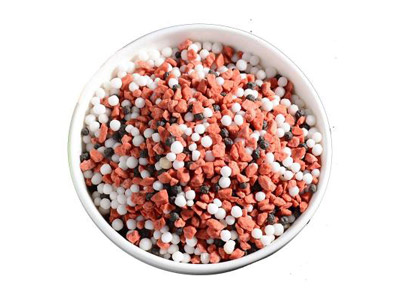
Compound fertilizers are formulated by combining different essential nutrients in precise ratios according to the specific requirements of various crops. This balanced nutrient composition ensures that crops receive a consistent supply of nutrients critical for their growth and development. Unlike traditional fertilizers, which may only provide specific nutrients, compound fertilizers offer a comprehensive nutrient package that addresses multiple nutritional needs. This results in healthier plants, improved resistance to diseases, and ultimately higher yields.

Efficient Nutrient Management

The controlled nutrient release mechanism of NPK compound fertilizers allows for more efficient nutrient uptake by plants. These fertilizers are designed to release nutrients gradually over an extended period, aligning with the crop's growth stages. This controlled release minimizes nutrient loss due to leaching or volatilization, reducing environmental pollution and optimizing nutrient utilization. Farmers can also minimize the frequency of fertilizer application, saving time and labor while achieving consistent crop growth.


Customized Formulations

Different crops have distinct nutrient requirements at various growth stages. Compound fertilizers can be tailored to meet the specific needs of particular crops, ensuring that essential nutrients are provided in the right proportions at the right time. This flexibility in formulation allows farmers to fine-tune their fertilization strategies, promoting optimal growth and yield outcomes. Customized compound fertilizers lead to more precise and efficient resource allocation, contributing to sustainable agricultural practices.

Sustainable Agriculture

In the face of global challenges such as soil degradation and environmental concerns, sustainable agricultural practices are of paramount importance. Compound fertilizers play a vital role in promoting sustainability by reducing nutrient waste, enhancing soil fertility, and minimizing the use of non-renewable resources. Their controlled release mechanism reduces the risk of nutrient runoff, which can contaminate water bodies and harm aquatic ecosystems. By adopting compound fertilizers, farmers contribute to a more balanced and ecologically sound agricultural landscape.

Economic Benefits

The use of Sanyuanjiuqi compound fertilizers can lead to economic advantages for farmers. While initial costs might be slightly higher compared to traditional fertilizers, the long-term benefits outweigh the investment. Increased crop yields, improved quality, and reduced fertilizer application frequency translate to higher profits. Moreover, the optimized nutrient delivery system reduces the need for frequent applications, saving labor costs and decreasing the overall fertilizer expenditure.

Conclusion

The adoption of compound fertilizers marks a significant advancement in modern agriculture, aligning with the goals of sustainable and efficient crop production. With their balanced nutrient composition, efficient release mechanisms, customizable formulations, and economic benefits, compound fertilizers offer a practical solution for farmers seeking to maximize yields while minimizing environmental impact. As the global population continues to grow, the demand for food production intensifies. In this context, the role of compound fertilizers becomes increasingly crucial in meeting these demands responsibly and ensuring a secure food supply for the future. By harnessing the advantages of compound fertilizers, farmers can contribute to a more productive, sustainable, and prosperous agricultural sector.

How does electrical heat tracing work?

  Unveiling the Mystery: How Electrical Heat Tracing Works


In the modern world, where industries rely on complex systems and processes, maintaining optimal temperatures is crucial. From preventing freezing in pipelines to ensuring viscosity in industrial fluids, temperature control is a paramount concern. This is where electrical heat tracing comes into play, offering an ingenious solution to maintain consistent temperatures in various applications. In this article, we will delve into the intricacies of electrical heat tracing and explore how it works, backed by the essential calculations that underpin its effectiveness.

Understanding Electrical Heat Tracing


Electrical heat tracing is a technology used to compensate for heat loss in pipes, vessels, and other equipment by applying controlled electrical heating elements. Its primary purpose is to prevent freezing, maintain process temperatures, and ensure the smooth operation of critical systems in various industries, including oil and gas, chemical, food and beverage, and more.


The Principles Behind Electrical Heat Tracing


At its core, electrical heat tracing operates based on the Joule heating principle. According to this principle, when electric current flows through a conductor, such as a heating element, resistance within the conductor generates heat. In the context of heat tracing, this heat is transferred to the surrounding material – be it a pipe, a tank, or a surface – effectively maintaining the desired temperature.


Components of Electrical Heat Tracing Systems


An electrical heat tracing system comprises several key components that work in harmony to ensure efficient temperature maintenance:


Heating Elements: These are resistive materials or cables designed to generate heat when an electric current passes through them. Common heating element materials include self-regulating polymers, constant wattage cables, and mineral-insulated cables.


Thermostats and Temperature Sensors: These devices monitor the temperature of the surface being heated. If the temperature falls below a set value, the thermostat activates the heating element, preventing the system from getting too cold.


Control Panels: Control panels house the electrical circuitry necessary for managing the heating elements and temperature sensors. They provide a user interface for configuring temperature settings and monitoring the system's performance.


Insulation: Insulation materials are used to minimize heat loss from the system, ensuring that the generated heat is efficiently transferred to the desired area.


How Electrical Heat Tracing Works: The Process


Let's break down the process of how electrical heat tracing works:


Detection of Temperature Drop: Temperature sensors or thermostats monitor the temperature of the surface being heated. If the temperature drops below the specified setpoint, the thermostat triggers the heating element to turn on.


Activation of Heating Element: Once activated, the heating element generates heat through the Joule heating effect. This heat is then transferred to the surface and the material being heated.


Temperature Maintenance: As the heating element continues to generate heat, the system maintains the desired temperature, preventing freezing, maintaining fluid viscosity, or meeting process requirements.


Temperature Regulation: As the surface temperature approaches the desired setpoint, the thermostat detects this and may gradually reduce the power supplied to the heating element. This helps prevent overheating and ensures energy efficiency.


Electrical Heat Tracing Calculation: The Backbone of Efficiency


Behind the seamless operation of electrical heat tracing systems lies meticulous calculation. Proper calculations are crucial to ensuring that the system meets its intended purpose without wasting energy or compromising safety. Several factors influence the calculations, including:


Heat Loss: The first step is to calculate the heat loss from the system. This involves considering factors like the ambient temperature, desired operating temperature, insulation properties, and the surface area of the object being heated.


Cable Selection: Different heating cables have varying power outputs per unit length. Choosing the right type of cable involves calculating the cable's wattage required to compensate for the calculated heat loss.


Spacing and Installation: The spacing between the heating cables is determined by the surface area to be covered and the desired temperature maintenance. Proper spacing ensures even heating and prevents overheating.


Control Strategy: The control strategy involves determining how the heating cables will be controlled based on temperature readings. This can include on/off control, proportional control, or advanced control methods.


Energy Efficiency: Calculations also consider the energy consumption of the system. Striking a balance between maintaining the desired temperature and energy efficiency is crucial to optimizing the heat tracing system's operation.


In conclusion, electrical heat tracing is a sophisticated solution that plays a vital role in maintaining temperatures in various industries. By harnessing the Joule heating principle, this technology prevents freezing, ensures process efficiency, and maintains the integrity of critical systems. Behind its effectiveness lies meticulous calculation, which determines factors such as heat loss, cable selection, spacing, and control strategy. As industries continue to evolve, electrical heat tracing stands as a testament to human innovation, ensuring that temperature control remains a cornerstone of successful operations.

2023年8月30日星期三

Plastic Plant Saucers: The Ultimate Guide for Efficient Plant Care

Plastic plant saucers are shallow, disk-like containers that are placed beneath potted plants to capture excess water that drains out from the bottom of the pots. They come in a variety of shapes, sizes, and materials, with plastic being one of the most popular choices due to its versatility, durability, and affordability.

Benefits of Plastic Plant Saucers

Plastic plant saucers offer a plethora of benefits that contribute to the overall health and well-being of your plants:

Plastic Plant Saucer

1. Prevents Overwatering

Overwatering is a common mistake that many plant owners make, often leading to root rot and other issues. Plastic saucers catch excess water, preventing it from pooling at the base of the pot and causing root damage.

2. Maintains Humidity

Plants that require higher humidity levels can benefit from the presence of a plastic saucer filled with water beneath their pots. As the water evaporates, it creates a micro-environment of increased humidity around the plant.

3. Protects Surfaces

Plastic saucers provide a protective barrier between the pot and the surface it sits on. This is particularly important for indoor plants, as water stains and potential damage to furniture can be avoided.

4. Easy Monitoring

With a plastic saucer in place, you can easily monitor the amount of water your plant is receiving. This allows for better control over your watering routine and helps you adjust as needed.

Types of Plastic Plant Saucers

Plastic plant saucers come in various types to suit different plant needs and aesthetic preferences:

1. Traditional Saucers

Traditional round or square saucers are versatile and fit well with most pot shapes. They come in a range of sizes, making them suitable for everything from small succulents to larger potted plants.

2. Attached Saucers

Some plastic saucers are designed to be attached to the bottom of the pot, creating a seamless and integrated look. These are especially useful for plants that are moved frequently.

3. Decorative Saucers

For those looking to add a touch of style to their plant displays, decorative plastic saucers with intricate designs and patterns are available. These can complement your home decor while serving a functional purpose.

Using Plastic Plant Saucers Effectively

Using Plastic flower pot saucer​ effectively involves more than just placing them under your pots. Here are some tips for maximizing their benefits:

1. Proper Sizing

Choose a saucer that is slightly larger in diameter than the base of your pot. This ensures that it can catch water effectively without being too small to be practical.

2. Elevate the Pot

To prevent the pot from sitting directly in standing water, consider placing small pot feet or bricks under the pot. This allows for proper drainage and prevents the roots from becoming waterlogged.

3. Monitor and Empty Regularly

Check the saucers regularly and empty accumulated water promptly. Standing water can attract pests and promote the growth of mold.


In conclusion, plastic plant saucers are an indispensable tool for any plant enthusiast, from the casual hobbyist to the seasoned gardener. Their ability to prevent overwatering, maintain humidity, protect surfaces, and provide easy monitoring makes them a must-have accessory for healthy and thriving plants. With a variety of types to choose from, you can find the perfect plastic saucer that not only serves its purpose but also enhances the visual appeal of your plant displays. So, whether you're nurturing a lush indoor garden or tending to outdoor greenery, don't underestimate the positive impact of incorporating plastic plant saucers into your plant care routine.

2023年8月27日星期日

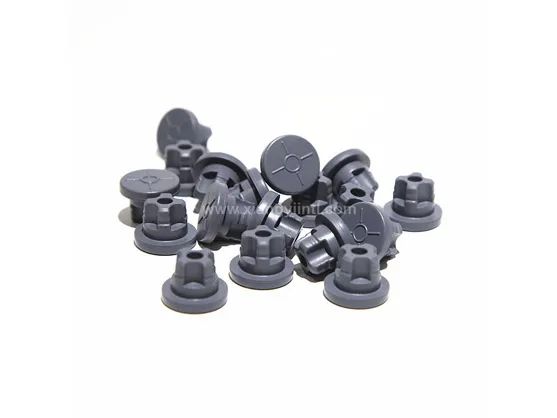
Guide to Selecting the Perfect Rubber Stopper

When it comes to sealing and securing containers, equipment, or laboratory apparatus, choosing the right rubber stopper is of paramount importance. These small yet versatile components play a crucial role in maintaining the integrity of the contents and preventing leakage. In this comprehensive guide, we delve into the world of rubber stoppers, providing you with essential insights into their types, materials, considerations, and how to make an informed decision for your specific needs.

Bromobutyl Rubber Stopper

Understanding the Types of Rubber Stoppers

Rubber stoppers come in a variety of types, each tailored to different applications and requirements. Some of the most common types include:

Solid Rubber Stoppers: These are general-purpose stoppers designed for sealing containers or bottles. They provide an airtight seal and are commonly used in laboratories, home brewing, and various industries.

Two-Hole Rubber Stoppers: These stoppers feature two drilled holes, allowing for the insertion of tubes or probes. They are widely used in chemistry and biology laboratories for connecting apparatus and conducting experiments.

Three-Hole Rubber Stoppers: Similar to two-hole stoppers, these have three holes and are often employed for more complex setups in laboratories.

Tapered Rubber Stoppers: These stoppers have a conical shape that provides a secure fit in a variety of openings. They are commonly used in household applications and various industries.


Key Considerations When Choosing Rubber Stoppers

Selecting the right rubber stopper involves assessing several important factors to ensure compatibility and effectiveness:

Material: Rubber stoppers can be made from various materials, including natural rubber, synthetic rubber, and silicone. Consider the properties of the material in terms of chemical resistance, temperature tolerance, and intended use.

Size and Dimensions: Measure the opening you need to seal and choose a stopper that fits snugly. The dimensions of the stopper and the opening should be compatible to ensure a proper seal.

Application: Determine the specific application for which the stopper will be used. Whether it's in a laboratory setting, industrial process, or household use, the requirements may differ, and the stopper should be chosen accordingly.

Chemical Compatibility: If the stopper will come into contact with chemicals, ensure that the chosen material is resistant to the substances it will encounter.

Temperature Range: Consider the temperature conditions the stopper will be exposed to. Some materials may become brittle or lose their elasticity at extreme temperatures.


Embracing the Right Rubber Stopper Choice

In conclusion, the importance of choosing the right rubber stopper cannot be understated, whether for laboratory use, industrial processes, or household applications. The correct stopper ensures proper sealing, prevents leakage, and contributes to the overall efficiency and safety of the process. By considering factors such as material, size, application, and chemical compatibility, you can make an informed decision that aligns with your specific needs.


Related Products

rubber closures

grey butyl rubber stopper

3 inch rubber stopper

2023年8月25日星期五

Taxi LED Display Buying Guide

Taxi LED displays have become a ubiquitous sight in urban landscapes. These dynamic, eye-catching screens not only provide advertising opportunities for businesses but also serve as a source of information and entertainment for passengers and pedestrians alike. If you're considering purchasing a taxi LED display for your fleet or as an advertising platform, this buying guide will help you make an informed decision.


1. Purpose and Goals

Before diving into the technical aspects of purchasing a taxi LED display, it's crucial to define your purpose and goals. Are you primarily interested in advertising, providing information, or entertaining passengers? Knowing your objectives will guide your decisions throughout the buying process.


2. Screen Size and Resolution

The size and resolution of the LED display are critical factors. Consider the viewing distance from potential viewers, as well as the available space on your taxi. Higher resolution displays offer sharper images and text, making your content more appealing and readable.


3. Brightness and Visibility

Visibility is key for any outdoor LED display. Ensure that the display has adequate brightness to be seen during both day and night. A display with automatic brightness adjustment based on ambient light conditions can be a valuable feature.


4. Durability and Weather Resistance

Taxi LED displays are exposed to various weather conditions, including rain, snow, and extreme temperatures. Look for displays with high IP (Ingress Protection) ratings, indicating their resistance to dust and moisture. Additionally, consider displays with rugged construction to withstand vibrations and shocks from the road.


5. Power Efficiency

LED displays can be power-hungry. Choose energy-efficient models to minimize the strain on your vehicle's electrical system and reduce operating costs.


6. Content Management

Consider how you'll manage the content on your taxi LED display. Look for displays that offer user-friendly software for uploading and scheduling content. Remote management capabilities can also be beneficial, allowing you to update content and monitor the display's performance remotely.


7. Connectivity Options

Ensure that the display has a variety of connectivity options, such as Wi-Fi, 4G/5G, and GPS. These features enable real-time content updates and location-based advertising, which can be highly effective.


8. Compliance with Regulations

Different regions may have regulations governing the use of LED displays on vehicles. Ensure that the display you choose complies with local laws and regulations to avoid potential legal issues.


9. Installation and Maintenance

Consider the ease of installation and maintenance. Some displays may require professional installation, while others are more user-friendly. Also, inquire about the availability of technical support and maintenance services.


10. Budget and Return on Investment (ROI)

LED displays come in a wide range of price points. While it's tempting to opt for the cheapest option, consider the long-term ROI. A higher-quality display may attract more advertisers and viewers, ultimately increasing your revenue.


11. Warranty and Support

Check the warranty offered by the manufacturer. A longer warranty period can provide peace of mind in case of any defects or issues. Additionally, inquire about the availability of technical support and after-sales services.


12. User Reviews and Recommendations

Research user reviews and seek recommendations from other taxi operators who have installed LED displays. Their experiences can offer valuable insights and help you make an informed decision.


13. Future-Proofing

Technology evolves rapidly. Consider whether the display you're purchasing is future-proof. Can it receive software updates to stay compatible with the latest technologies and standards?


14. Integration with Existing Systems

If you have existing advertising or GPS systems in your taxis, ensure that the LED display can integrate seamlessly with these systems to provide a unified and streamlined experience.


15. Aesthetics and Design

Finally, consider the aesthetics and design of the LED display. It should complement the look of your taxi and not obstruct the driver's view or interfere with the vehicle's safety features.


Our team of technical sales experts collaborates with you to identify your unique requirements and design a customized LED display solution that is ideal for your trade show project. We assist you in optimizing your display to effectively showcase testimonials, demonstrate your company's accomplishments, promote interactivity, and explore innovative LED applications. Throughout the entire process, NSE will provide comprehensive support, ensuring the success of your trade show, a smooth implementation, and thorough instructions on operating the display.Enter your email and questions, and we will answer your questions within 24 hours!

2023年8月22日星期二

Exploring the Versatility and Advantages of the Spherical Hex Nut

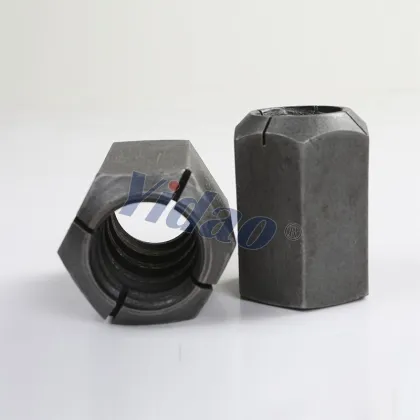
In the intricate world of fasteners and hardware components, the spherical hex nut stands out as a remarkable innovation that brings a new dimension to mechanical assemblies. Combining the functionality of a hex nut with a spherical design, this unique fastener offers a range of advantages and applications that set it apart from traditional options. In this comprehensive article, we delve into the intricacies of the spherical hex nut, exploring its design, benefits, and diverse applications across various industries.

The spherical hex nut, often referred to as a spherical nut or ball nut, is a fastener with a hexagonal shape that encompasses a spherical lower portion. This ingenious design allows for greater freedom of movement and alignment in assemblies, making it an invaluable asset in scenarios where angular adjustments are crucial. The top hexagonal portion is designed for easy gripping and turning, while the lower spherical section permits movement in multiple directions.

Advantages of the Spherical Hex Nut

Angular Adjustability

The standout advantage of the spherical hex nut lies in its ability to accommodate angular adjustments in mechanical assemblies. Traditional hex nuts constrain movement to a linear axis, but the spherical hex nut introduces a new level of flexibility. This feature is particularly beneficial in applications where precise alignment is essential, such as in automotive suspensions or robotics.

Reduced Friction and Wear

The spherical design of the lower nut portion offers more contact points, distributing the load and reducing friction. This innovative design minimizes wear and tear on both the fastener and the components it interacts with. As a result, mechanical systems that incorporate spherical hex nuts can enjoy extended service life and reduced maintenance requirements.

Enhanced Load Distribution

In scenarios where loads are not evenly distributed, the spherical hex nut shines. Its unique design allows for better load distribution across different angles, preventing stress concentration on a single point. This advantage is particularly valuable in heavy machinery and equipment, where uneven loads can lead to premature component failure.

Vibration Dampening

Spherical hex nuts can effectively dampen vibrations due to their ability to move slightly within their seating. This feature is highly relevant in environments where vibrations are a concern, such as aerospace applications or industrial machinery. The fastener's ability to absorb and mitigate vibrations contributes to the overall stability and performance of the system.

Applications of the Spherical Hex Nut

1. Automotive Industry

The automotive industry benefits significantly from the spherical hex nut's angular adjustability. In suspension systems, these nuts allow for fine-tuning of the alignment, enhancing the vehicle's handling and stability. Additionally, they find use in steering components, ensuring precise and smooth steering operations.

2. Robotics and Automation

Spherical hex nuts play a critical role in robotics and automation, where precision and flexibility are paramount. They enable robotic arms to achieve intricate movements and adjustments, contributing to tasks that demand high levels of accuracy, such as pick-and-place operations in manufacturing.

3. Heavy Machinery and Construction

In the realm of heavy machinery and construction equipment, the advantages of load distribution and vibration dampening make spherical hex nuts indispensable. They enhance the overall durability of machinery and reduce the risk of structural failures caused by uneven loads and vibrations in demanding environments.

4. Aviation and Aerospace

The aerospace industry capitalizes on the unique attributes of spherical hex nuts for applications ranging from aircraft assembly to satellite deployment mechanisms. Their ability to handle dynamic forces, adapt to varying angles, and dampen vibrations makes them an ideal choice for ensuring the reliability and longevity of aerospace systems.

Conclusion

The spherical hex nut emerges as a groundbreaking innovation that redefines the capabilities of traditional fasteners. Its ability to facilitate angular adjustments, distribute loads evenly, reduce friction, and dampen vibrations opens up new possibilities in industries as diverse as automotive, robotics, heavy machinery, and aerospace. As engineering solutions continue to evolve, the spherical hex nut stands as a testament to the ingenuity that drives progress, enhancing the efficiency, reliability, and performance of mechanical systems worldwide.

2023年8月21日星期一

Why use a proportional valve?

 In the realm of fluid control systems, where precision and efficiency are paramount, the proportional valve stands as a beacon of technological advancement. Unlike conventional on-off valves, which provide only binary control, proportional valves offer a dynamic range of flow control, making them indispensable in various industries. This article explores the compelling reasons to incorporate proportional valves into fluid control systems.

1. Precise Control

The cornerstone of proportional valve utilization is its ability to provide precise control over fluid flow rates. Traditional on-off valves are limited to either fully open or fully closed positions, often resulting in abrupt changes in flow and pressure. In contrast, proportional valves can regulate fluid flow with exceptional accuracy, allowing for gradual adjustments that minimize disruptions in the system. This precision is particularly crucial in applications where maintaining consistent pressure, flow, or other parameters is essential for optimal performance.

2. Variable Flow Rates

Proportional valves enable variable flow rates within a continuous range. This flexibility empowers engineers to fine-tune fluid delivery according to changing operational requirements. From subtle adjustments in pharmaceutical dosage to controlling the speed of hydraulic actuators in industrial machinery, proportional valves ensure that the system adapts smoothly to fluctuations in demand.

3. Energy Efficiency

One of the most significant advantages of using proportional valves lies in their energy-saving capabilities. By modulating fluid flow rates based on actual requirements, these valves prevent wasteful energy consumption. In applications like heating, ventilation, and air conditioning (HVAC) systems, Huade proportional valves play a critical role in achieving optimal energy efficiency by avoiding unnecessary fluid circulation, thus reducing power consumption and associated costs.


4. Reduced Wear and Tear

The gentle, gradual adjustments enabled by proportional valves translate to reduced wear and tear on system components. Abrupt changes in flow rates can lead to pressure spikes and vibrations that cause premature wear on valves, pipes, and other equipment. Proportional valves mitigate these issues, extending the lifespan of the entire system and minimizing maintenance needs.

5. Improved Process Consistency

Industries that rely on consistent process parameters benefit greatly from proportional valves. Whether in chemical manufacturing, food and beverage production, or laboratory settings, maintaining precise proportions is critical to product quality. Proportional valves ensure that the right amounts of different components are mixed accurately, minimizing batch-to-batch variations and enhancing overall product consistency.

6. Adaptability to Complex Systems

Complex industrial systems often involve intricate interconnections between various subsystems. Proportional valves are invaluable in these scenarios, offering the ability to regulate flow rates in sync with different parts of the system. Whether it's coordinating the movement of robotic arms or managing the fluid flow in a multi-stage chemical reaction, proportional valves contribute to the seamless functioning of complex processes.

7. Integration into Modern Control Systems

As industries move towards automation and digitization, the compatibility of proportional valves with modern control systems is a significant advantage. These valves can be integrated into programmable logic controllers (PLCs), distributed control systems (DCS), and other advanced control architectures. This integration enables remote monitoring, real-time adjustments, data logging, and predictive maintenance, ushering in the era of Industry 4.0.

Conclusion

The decision to use a proportional valve transcends mere fluid control – it is a strategic choice that impacts efficiency, accuracy, energy consumption, and the overall performance of a system. The advantages of using proportional valves span across industries, from manufacturing and automation to healthcare and environmental control. In an increasingly interconnected and technologically driven world, proportional valves play a vital role in realizing the full potential of fluid control systems, enabling innovations that shape the future of engineering.